Water heaters and drains
Repiping an Older Richmond House, Step by Step
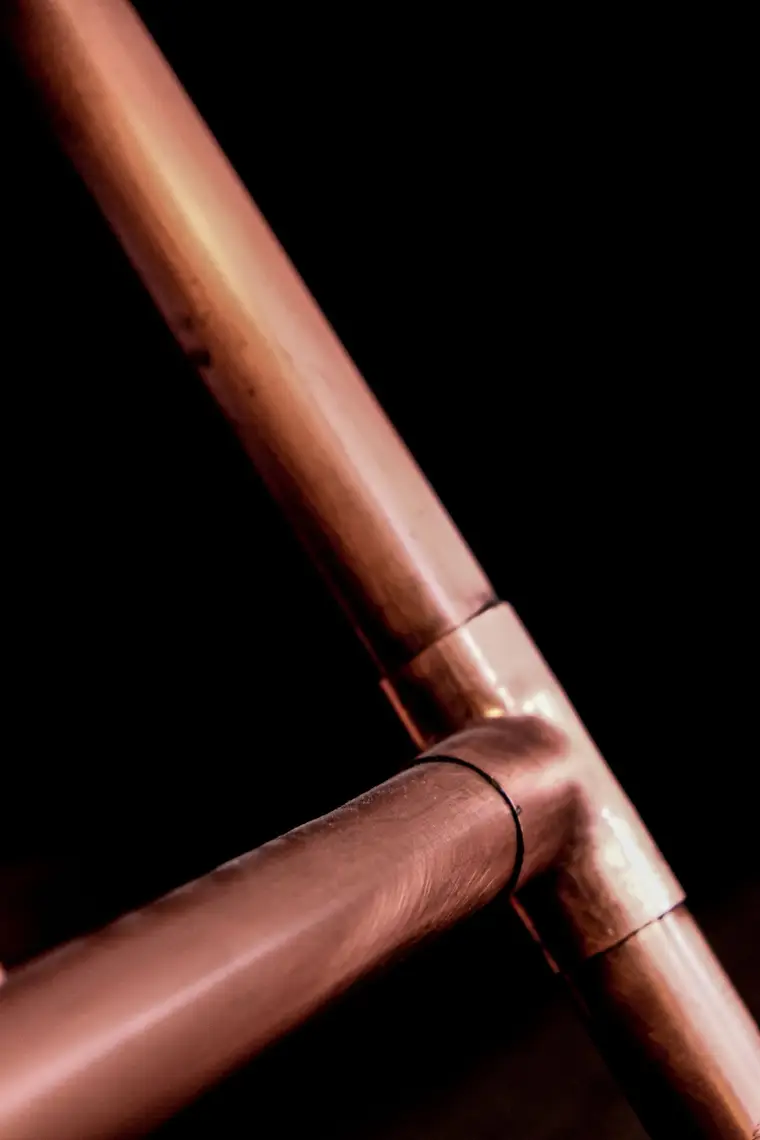
Repiping an older Richmond house is one of those jobs owners put off for as long as possible, usually because it sounds like walls torn open for weeks. In practice it is a planned job of a few working days, with the water back on each evening and the openings patched at the end. The harder question is whether your house needs it at all, and that is where most of this guide goes.
The pipes in older Richmond houses
Richmond has a lot of old housing, and the plumbing inside it reflects every decade it has lived through. A row house in the Fan or Church Hill might have its original galvanized steel supply pipe in one wall, copper added during a kitchen remodel and plastic run to a newer bathroom. The materials that matter most:
- Galvanized steel. Steel pipe coated with zinc, common in older houses. Over time the coating wears away, and the pipe rusts from the inside. The opening narrows until pressure drops, the water runs brown when a tap first opens and leaks start at the threaded joints.
- Polybutylene. A flexible gray plastic supply pipe used in many homes built from the late seventies to the mid-nineties, including some in Henrico and Chesterfield subdivisions. It can become brittle with age and split without warning, often at a fitting.
- Older copper. Copper is long-lasting, but older or thin-walled copper can develop pinhole leaks, often marked by green spots or tiny drips along a run.
- Mixed materials. Where galvanized and copper meet without the right fitting between them, the joint can corrode faster than either pipe.
Signs your pipes are wearing out
One leak doesn’t mean you need a repipe. A pattern does:
- Leaks in more than one place on the same type of pipe, especially over a short time.
- Low pressure at every faucet and shower, not just one.
- Brown or rusty water, especially first thing in the morning.
- Pinhole leaks or green spots along copper runs.
- Polybutylene anywhere in the supply system.
- A home inspection or an insurer asking about the age or type of the supply pipe.
If you see more than one of these, it is worth having the supply system looked at as a whole rather than waiting for the next leak.
How we decide whether you need it
We start by finding out what the pipe is made of and what condition it is in. That means looking at it where it is exposed, in the basement, crawl space, utility room and under sinks, and checking the water pressure at the street side and at the fixtures. Sometimes the most useful thing is to cut out a short section of old pipe where a repair is needed anyway and show you the inside of it. A galvanized pipe half closed with rust explains low pressure better than any description.
Then we compare two paths. One is to keep repairing leaks as they appear. The other is to replace the supply system. The written quote puts the likely cost of the repairs beside the cost of the repipe, so you can see whether the repipe pays for itself. Sometimes it clearly does. Sometimes the pipe has years left, and we tell you so.
What the job looks like
Before work starts, the permit is filed and the new runs are planned so the wall openings are as few and as small as possible. Flexible PEX can be fed through walls and ceilings with smaller openings than rigid pipe, which is one reason it is common in repipes. Copper is still a good choice, especially for exposed runs.
On each working day, floors and furniture near the work are covered and the water is shut off. The new lines are run to the rooms on that day’s plan, connected and pressure tested before any wall is closed. The water goes back on each evening so the house works normally overnight. New shut-off valves are added at each fixture, so a future repair under one sink doesn’t need the whole house turned off.
On the last day, the wall and ceiling openings are patched, the old pipe is hauled away and every fixture in the house is run and checked. The inspection is booked, and when it passes you get the closed permit, photos of the work and the warranty papers together.
Questions to ask before you agree
- What exactly is being replaced, and what is being left in place?
- Is it PEX or copper, and why that choice for this house?
- How many working days, and when is the water off each day?
- Who closes the wall openings, and is that in the price?
- Is the permit included, and who books the inspection?
- What happens if the work uncovers something unexpected, such as rotten framing behind a shower?
A good quote answers all of these in writing. Anything that can’t be known until a wall is open should be listed as a separate priced item, so nothing appears on the bill without your say.
Planning around it
A repipe is a good time to replace a water heater that is near the end of its life, since the connections are being redone anyway, and to add a new main shut-off valve if the old one is seized. If a bathroom remodel is on your list, doing the repipe first means the new bathroom’s supply lines go in once.
Our repiping page covers the work in more detail, and a single active leak is covered under leak repair. We repipe houses across Richmond, Glen Allen and Midlothian, from row houses in the city to crawl space homes in the counties.
Questions about this guide
Does a repipe include the drain lines?
Usually not. A repipe replaces the water supply lines, the pipes under pressure that carry water to each fixture. Drain and sewer lines are a separate system and are only replaced if a camera inspection shows they have failed.
Will a repipe raise my water pressure?
If your low pressure comes from galvanized pipe narrowed by rust, yes, often noticeably. If it comes from the utility side or a failing pressure reducing valve, the repipe won't change it, which is why we check the pressure at the street before blaming the pipes.
Can part of the house be repiped and not the rest?
Sometimes. If one area has failing pipe and the rest is sound copper, replacing only that section can make sense. The quote says what is being replaced and why, and what is being left alone.