Services
Water Heater Repair and Replacement in Richmond
No hot water, rusty water or a tank that leaks at the base: repaired when it's worth it, replaced with tank or tankless when it isn't.
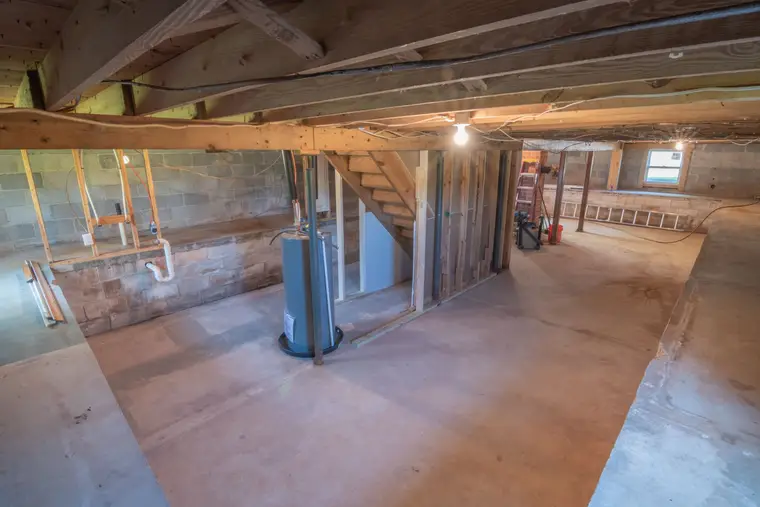
Water heater repair and replacement
Water heater repair and replacement in Richmond is mostly about one decision: is the heater worth fixing, or has it reached the end? Plenty of no-hot-water calls end with a small repair, such as a heating element, a thermostat, a gas valve or a pilot assembly. Others end with a tank that is leaking from the bottom, and no repair stops that. We tell you which one you have, and when it is a close call, you get the repair price and the replacement price on the same page.
Common water heater problems
- No hot water. On an electric heater, often a failed element or thermostat, or a tripped high-limit switch. On a gas heater, a pilot that won’t stay lit, a worn thermocouple or a faulty gas control.
- Hot water runs out fast. Sediment has settled in the bottom of the tank, a dip tube has broken, or the heater is simply too small for the household.
- Popping or rumbling. Sediment again, with water trapped under the layer flashing to steam. Flushing helps if it is caught early.
- Water around the base. A leaking drain valve, relief valve or fitting can be repaired. A leak from the tank itself means the tank has failed.
- The relief valve dripping. The pressure or the temperature in the tank is too high, often because there is no expansion tank or the existing one has failed. This is a safety device doing its job, so it should never be capped.
Repair or replace
We look at the age of the heater, the condition of the tank, what the repair costs and how often it has needed work. A heater only a few years old with a failed element gets the element. A heater well past its expected life with a corroded tank, rusty water and a second repair this year is a poor place to spend money, and we say so. Either way you get the price in writing before anything is done, and the choice stays yours.
Replacing a water heater
When a heater is replaced, the written quote puts the heater, the labor, the permit and any code updates on separate lines. Code updates often include an expansion tank, a new relief valve and discharge pipe, a drain pan where a leak could damage the floor below, and seismic or anchoring straps where required. The old heater is drained, disconnected and hauled away.
Most like-for-like tank replacements are done in one visit, often the same day when the heater fits through the door and the size is on the van. A change from gas to electric, from tank to tankless or into a new location takes longer because the gas line, venting or electrical work changes, and the quote says how long.
Tank or tankless
A tank heater keeps a store of hot water ready, costs less to install and is simple to service. A tankless heater heats water only as it is used, never runs out during a run of showers and takes up a fraction of the space, but it costs more up front and needs the right gas line and venting. Neither one is right for every house. We look at how many people live there, how they use hot water and what the house can supply, then price the options side by side.
Keeping a water heater going
Flush a tank once a year to clear sediment. Test the relief valve by lifting its lever briefly; if it doesn’t snap shut or keeps dripping, have it replaced. Have the anode rod checked every few years, since it is the part that wears away to protect the tank. Set the temperature around 120 degrees, which is hot enough for most homes and reduces both scalding and wear.
A heater leaking steadily at night is a job for our emergency plumbing service, and a small drip from a fitting is covered under leak repair. We repair and replace water heaters across Richmond, Glen Allen and Midlothian.
Water heater repair and replacement by town
- Water heater repair and replacement in Richmond, VAFrom the Fan and Church Hill row houses to the brick ranches on the South Side, we fix leaks, clear drains and replace tired pipes and water heaters across the city.
- Water heater repair and replacement in Glen Allen, VANewer subdivisions and older homes off Mountain Road alike: water heaters, slow drains and the plastic supply lines that split behind a wall.
- Water heater repair and replacement in Midlothian, VAWooded lots, long sewer runs and roots that find every joint, plus winter nights cold enough to split a pipe in a crawl space.
Guides
Questions about water heater repair and replacement
How long does a tank water heater last?
Many tank heaters last somewhere around eight to twelve years. Sediment, high water pressure, a missing expansion tank and a worn-out anode rod shorten that. The label on the tank usually shows when it was made, and we can read it for you on any visit.
Is tankless worth it?
It can be, for a household that keeps running out of hot water or wants the space back. A tankless heater costs more to install, often needs a larger gas line and new venting, and needs yearly flushing where the water is hard. The quote puts it beside a tank replacement so you can compare the two honestly.
Why is my hot water rusty or smelly?
Rusty hot water can mean the inside of the tank is corroding, especially if the cold water is clear. A rotten egg smell usually comes from a reaction between the anode rod and the water, and a different anode often cures it without replacing the heater.
Do I need an expansion tank?
Where the water supply has a backflow preventer or a pressure reducing valve, heated water has nowhere to expand, and the pressure rises every time the heater runs. An expansion tank absorbs it. Code often requires one with a new heater, and it helps the heater and every fixture last longer.